


 David Schwartz
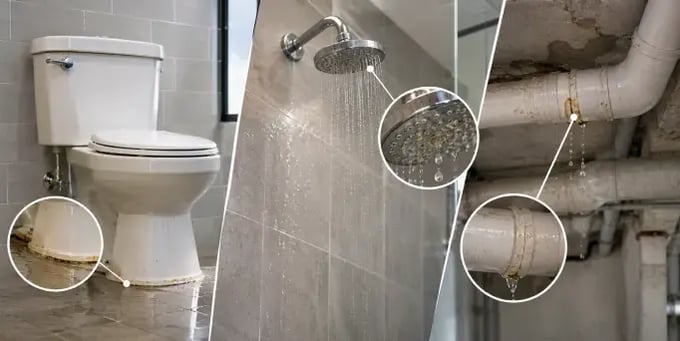
To fix common plumbing problems that waste water in older buildings, replace worn parts in running toilets and dripping faucets, repair leaking pipes, and have a plumber check the water pressure. Once the leaks are fixed, check whether your showers use more water than they need or run for too long while warming up.
If you manage an older apartment building, a sudden jump in water use is harder to trace, especially when the whole building shares a meter. The checks and fixes mentioned in this blog can help you find the source, decide what your maintenance team can fix, and know when to call a plumber.
7 Common Plumbing Problems in Older Buildings and How to Fix Them
Start with the fixtures you can see and hear. If your team checks the toilets, faucets, and showers and the building still uses more water than expected, check the meter and look for signs of a hidden leak.
1. Toilets That Keep Running After a Flush
If a toilet keeps running after you flush, or starts refilling when nobody is using it, water may be slipping from the tank into the bowl. A common cause is a worn flapper. That’s the rubber piece at the bottom of the tank that lifts when you flush. A chain caught under the flapper or a fill valve that keeps letting water in can also cause trouble.
How To Fix It?
Put a few drops of food coloring in the tank and wait 10 minutes without flushing. If color shows up in the bowl, water is leaking from the tank. Flush right after the test to clear the dye. Check whether the chain is caught or the flapper is worn. If the water level rises into the open tube inside the tank, have your maintenance team check the fill valve and adjust or replace it as needed.
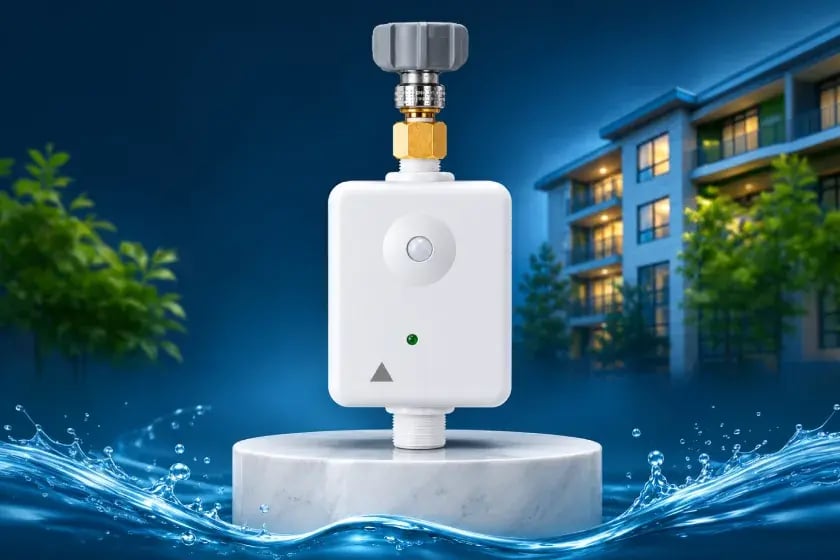
For extra protection after the repair, consider The Toilet Scrooge™ automatic toilet shut-off valve. It shuts off the toilet tank’s water supply when the bathroom is empty, helping limit water waste if the toilet starts running again.
2. Faucets That Drip After You Turn Them Off
A drip from the spout usually points to a worn part inside the faucet. If water pools around the handle or collects in the cabinet below, check for a worn seal or a leak at a connection.
How To Fix It?
Dry the area first, then watch for the spot where water reappears. Shut off the water under the sink before taking the faucet apart.
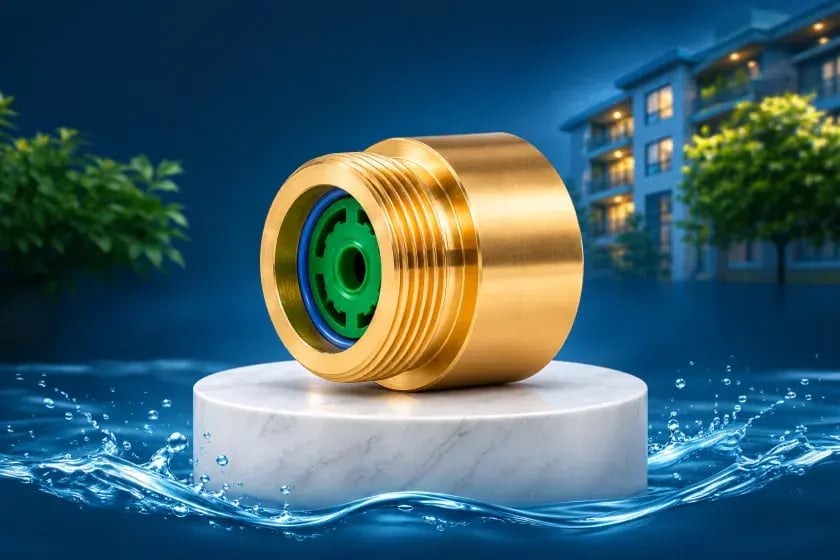
Depending on the faucet, your maintenance team may need to replace a washer, a seal, or the small part inside the handle that controls the flow. Use a replacement that fits the faucet model. If the faucet body is cracked or badly corroded, replace the fixture. Once the drip is fixed, a compatible water-saving aerator can reduce water use when the tap is on.
3. Leaks From Exposed Pipes and Fittings
Check pipes under sinks, in utility closets, and in the basement. Rust or crusty buildup around a joint gives you a place to look more closely. Fresh drips or wet spots around a fitting can help you find the source.
How To Fix It?
If water is actively leaking, have your maintenance team shut off the water to the affected area if they can do so safely. Call a licensed plumber to check the pipe and replace the damaged fitting or section. If leaks keep popping up along the same stretch of pipe, ask the plumber to inspect the full line so you can plan for any larger repairs.
4. Showers That Leak or Use Too Much Water
Turn the shower on and look where the showerhead connects to the pipe. If water sprays from that joint, the connection may need to be resealed. If the showerhead continues to drip long after you turn it off, the valve behind the handle may be letting water through.
How To Fix It?
Have your maintenance team check the connection and replace the seal if it’s worn. For a steady drip that continues after shutoff, have them check the valve and replace the worn part as needed.
Once the leak is fixed, check the shower’s flow rate. A timed bucket test can show how much water it uses in a minute. Check a few units if you have different showerheads across the property.
If the shower uses more water than you want, The Shower Scrooge™ shower flow controller fits behind the existing shower fixture and helps reduce the amount of water that comes out while the shower is on.
|
Cut Water Waste Before the Next Bill Arrives Help limit water loss from running toilets and reduce shower flow with products made for apartment buildings.
|

5. Hidden Leaks Behind Walls or Under Floors
A damp wall, a musty smell, or a water stain that gets bigger may point to a hidden leak. Sometimes the first clue is a water bill that shows more gallons used than usual.
How To Fix It?
If your building can go an hour without using water, record the meter reading at the start and again at the end. Make sure scheduled equipment and irrigation are accounted for. If the reading goes up when all water use is off, you may have a leak.
In an occupied building where a full pause is hard to arrange, ask your plumber or water utility about checking the meter during a quiet period or reviewing hourly usage data if it’s available. A plumber can help trace the leak and repair the line.
6. Water Pressure That’s Too High
If water blasts out of fixtures or leaks keep coming back after repairs, ask your plumber to check the pressure. Too much pressure can strain pipes, fittings, and the seals that keep water from leaking out.
How To Fix It?
Have a licensed plumber measure the pressure and check the pressure-reducing valve if the building has one. This valve lowers the pressure of the water coming into the plumbing. The plumber can adjust or replace it if needed and check for damage to fixtures or pipes. In a building with several floors, share which units are having trouble so the plumber knows where to take readings.
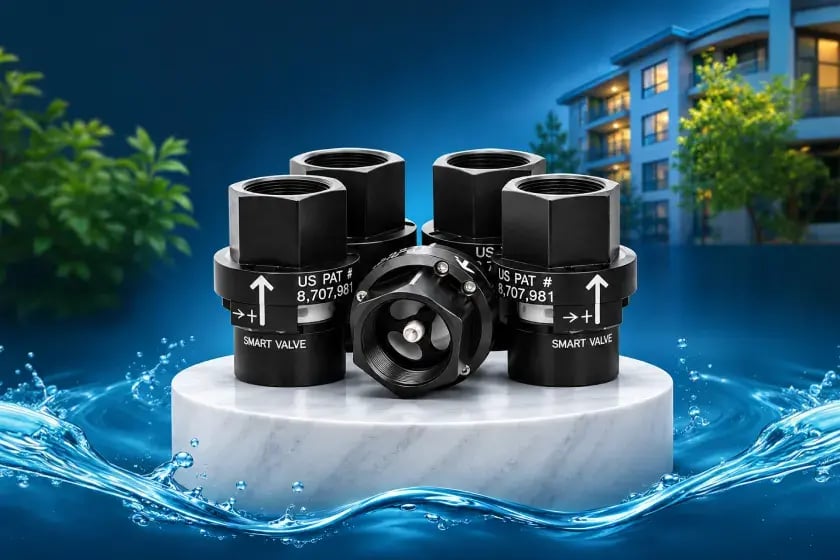
If you’re also looking for ways to lower your building’s water bill, The Smart Valve™ is designed to reduce the amount of air your water meter may count toward your bill.
7. Hot Water That Takes Too Long to Reach the Shower
When the water heater is far from a bathroom, the cooler water sitting in the pipe has to clear before hot water reaches the shower. If a resident steps away while waiting, hot water can keep running down the drain after it arrives.
How To Fix It?
Ask which units wait the longest. Then have a plumber check the pipe layout and see whether the building’s hot water circulation system is working properly, if it has one. Insulating hot water pipes can help hold in heat. If long waits are common, ask whether a system that moves hot water closer to showers when needed makes sense for your property. epa.gov
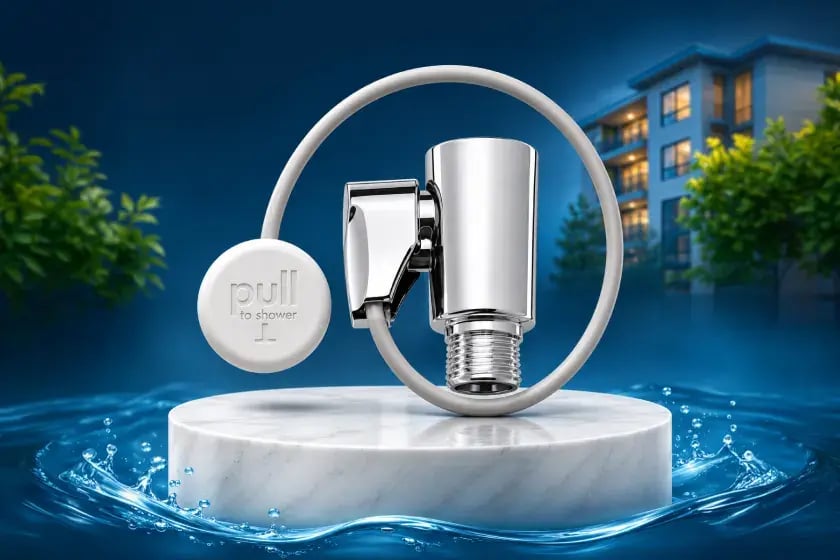
The ShowerStop® helps cut waste once hot water reaches the shower. It slows the flow to a trickle at about 95°F. When residents are ready to step in, they use the supplied control to bring the flow back to normal.
Can Water-Saving Devices Help Older Buildings Lower Water Bills?
Yes. Start with the fixtures that waste the most water. If several toilets run between flushes, extra shut-off protection may make sense. If showers are your biggest concern, check whether the issue is high flow during use or hot water running before anyone steps in. Each calls for a different device.
|
What you want to address |
What can help |
|
Water loss when a toilet runs between uses |
The Toilet Scrooge™ shuts off the toilet’s supply when the bathroom is empty. |
|
High water flow while residents shower |
The Shower Scrooge™ Flow Controller limits flow behind the existing shower fixture. |
|
Hot water running before someone steps into the shower |
ShowerStop® slows the flow once the water reaches about 95°F. |
Fix Small Plumbing Problems Before They Add Up
A toilet that runs between flushes or a faucet that drips all day can waste water for weeks before it shows up on your bill. If you manage an older building, make these quick checks part of your maintenance routine. Fix leaks as soon as you find them, and call a plumber if the same problem keeps coming back.
Once the leaks are fixed, look at how much water your fixtures use every day. If showers still run at full flow while residents wait for hot water, or you want extra protection against running toilets, The Water Scrooge™ offers products that can help your building use less water.
|
Find the Right Water-Saving Products for Your Building Give your maintenance team a way to limit water loss from running toilets and cut extra water use in showers.
|