4 min read
How Much Water Can a Shower Head Flow Controller Save in a Multifamily Property?
Water bills can be a major expense for multifamily property owners. With dozens or hundreds of residents using showers...

Shower Hot Water Saver Valve
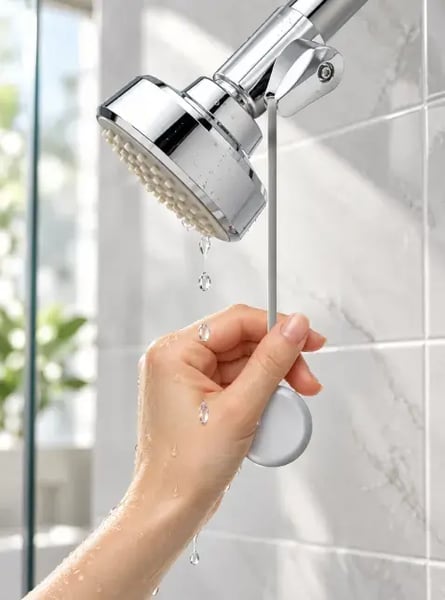
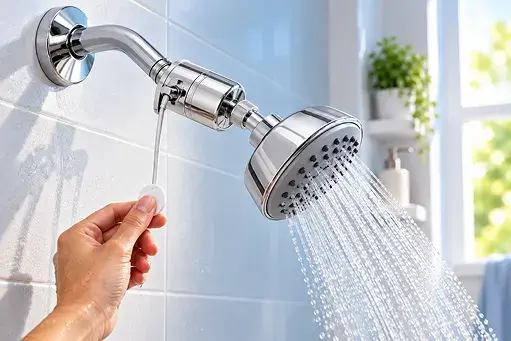
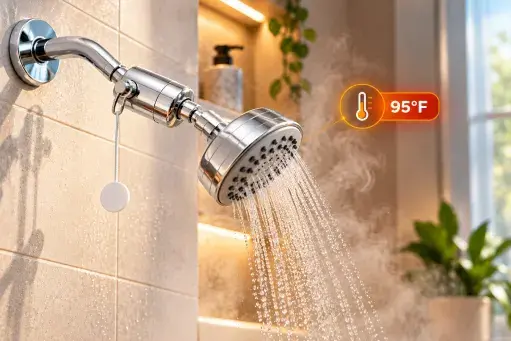
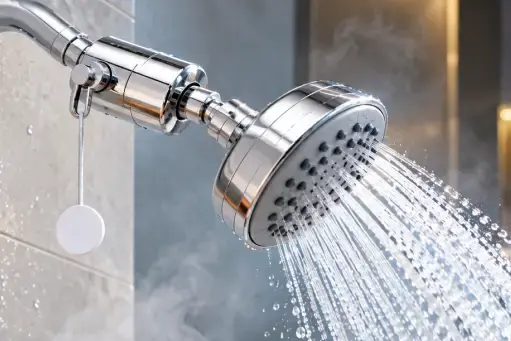
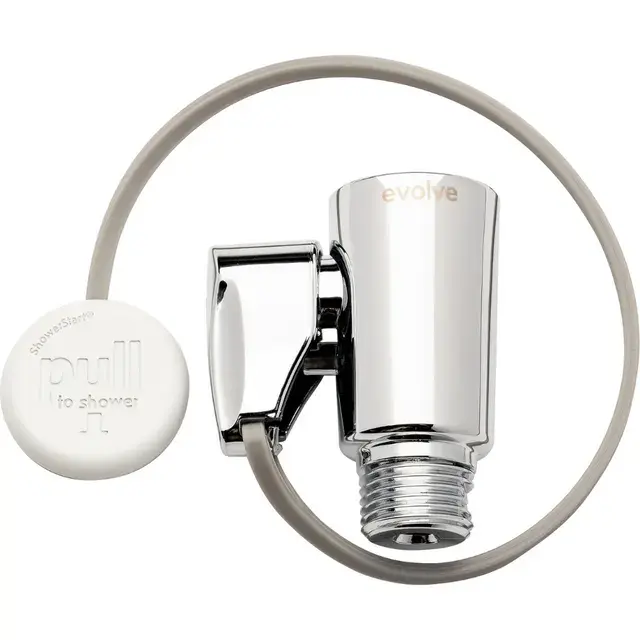
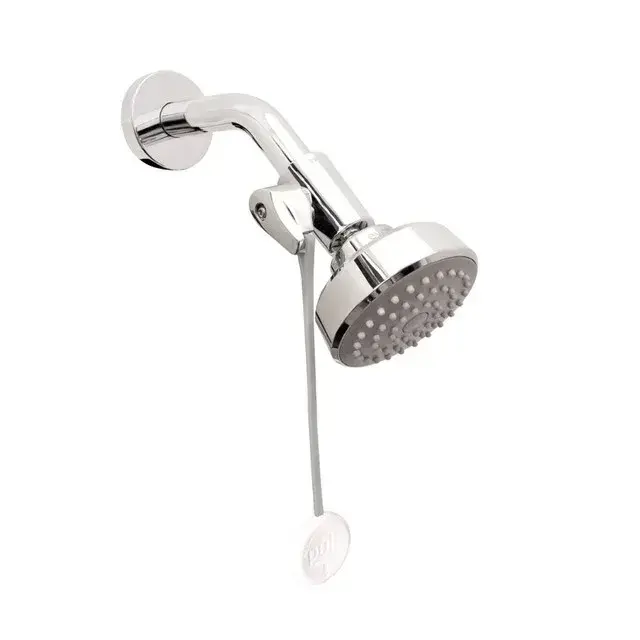
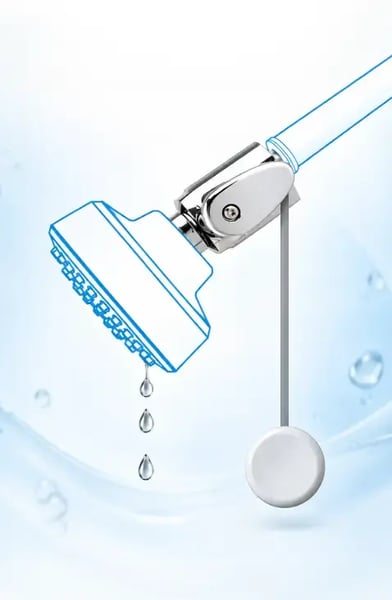
ShowerStop® is a shower hot water controller that automatically slows the flow to a trickle when the water reaches about 95°F. Residents restore normal flow with the supplied control when they are ready, so less hot water goes down the drain during warm-up.
The Cost Of Waiting for Hot Water
Every time a resident turns on the shower and waits for hot water, heated water runs straight down the drain. The amount depends on warm-up time, flow rate and occupancy, but across many units this daily waste adds to both the water bill and the cost of heating that water.
Warm-up waste can increase water use while also adding to the energy cost of heating that water.

What’s the Solution
A hot water saver valve limits the water that runs once hot water arrives, so the shower is not running at full flow while no one is in it. ShowerStop® does this automatically at about 95°F, then lets the resident restore normal flow with the supplied control. Residents keep their usual routine, and the property wastes less water and heating energy.
This helps reduce warm-up water and heating energy waste without asking residents to change their normal shower routine.
Reduces water flow after hot water arrives.
Helps limit water and the energy used to heat it.
Residents restore normal shower flow using the supplied control.
Works around the resident’s normal shower routine.
Simple 3-Step Process
ShowerStop® only works during warm-up. Here is what happens every time a resident showers:

The resident turns on the shower as usual and waits for the water to warm up.

When the water reaches approximately 95°F, ShowerStop® automatically reduces the flow to a trickle.

When the resident is ready to shower, they activate the supplied control to restore normal water flow.
Resident Experience & Comfort
No. Residents turn on the shower as usual and press the supplied control when they are ready to restore normal flow. ShowerStop® only slows the flow during warm-up, so there is no need for shorter or colder showers.
Automatically reduces water flow once hot water arrives, helping limit waste while residents wait.
Residents simply activate the supplied control when ready to restore normal water flow for showering.
Helps reduce warm-up waste without requiring residents to take shorter or colder showers.
.webp)
Installation & Product Fit
ShowerStop® is made for compatible shower fixtures. The right setup depends on the existing fixture and the ShowerStop® configuration, so check these three things before ordering for the whole building:
Review your current shower fixtures to determine which ShowerStop® configuration is the right fit.
Installation needs may vary depending on the shower fixture and the ShowerStop® configuration being used.
For larger rollouts, consider the number of units, fixture types, and installation needs across the property.

Choose The Best Fit
Pick the ShowerStop® option that fits your property’s shower setup and water-saving needs. Review the available product options before selecting the right configuration for your units.

ShowerStop® Benefits
Because warm-up waste happens in every property, every day, ShowerStop® hot water saving devices target that one problem, cutting the water and heating energy lost while showers warm up, without asking residents to take shorter or colder showers.
Helps limit water that may otherwise run unused while residents wait for their showers to warm up.
Helps reduce the energy wasted heating water that would otherwise go down the drain before showering.
Normal water flow is restored when residents are ready, so savings do not require shorter or colder showers.
Helps property owners address repeated shower warm-up waste across multiple units with one targeted solution.
Oct 29, 2026 by David Schwartz
Water bills can be a major expense for multifamily property owners. With dozens or hundreds of residents using showers...
Oct 14, 2026 by David Schwartz
Water bills are becoming a bigger concern for multifamily property owners. When water and sewer rates rise, a...
Oct 14, 2026 by David Schwartz
The Water Scrooge™ was brought in to help reduce water consumption and water-related operating costs at Ayden Health...
A shower hot water controller limits the water that runs while a shower warms up. ShowerStop® automatically slows the flow to a trickle once the water reaches about 95°F, and the resident restores normal flow with the supplied control when they are ready to shower.
The resident turns on the shower as usual. When the water reaches approximately 95°F, ShowerStop® reduces the flow to a trickle. The resident then activates the supplied control to restore normal shower flow.
ShowerStop® reduces flow during the warm-up period after hot water arrives. When the resident is ready to shower, they activate the control to restore normal water flow.
ShowerStop® is designed to reduce water flow when the water reaches approximately 95°F. The exact product specifications should be reviewed for the ShowerStop® configuration being installed.
ShowerStop® is designed for use with compatible shower fixtures. Compatibility and installation requirements can vary by fixture and product configuration, so the existing shower setup should be reviewed before installation.
Installation requirements can vary depending on the existing shower fixture and ShowerStop® configuration. Follow the approved installation instructions for the specific product being installed.
Savings depend on shower warm-up time, water flow, occupancy, usage, and your water and hot-water costs. Use the Water Savings Calculator to estimate potential savings for your property.
ShowerStop® targets water wasted while the shower warms up. A shower flow controller, such as the Shower Scrooge™, regulates how much water flows during the shower itself. The two products solve different problems.
Yes. Water that runs down the drain during warm-up has already been heated, so reducing that waste also reduces the energy spent heating it. Actual savings depend on the property's warm-up time, usage and energy costs.