


 David Schwartz
Water is part of almost everything we do at home. We use it to shower, brush our teeth, wash dishes, do laundry, and water our plants. But have you ever wondered how much water goes to waste during these everyday activities?
According to the U.S. Environmental Protection Agency (EPA), the average American family uses more than 300 gallons of water per day at home. Some of that water can be saved by making small changes to daily habits.
The good news is that you don't need to make big changes to start saving. Simple water saving solutions, such as fixing leaks, turning off faucets, and using water-efficient devices, can help reduce waste and lower your water bills.
Here are 10 easy ways to save water at home that you and your family can start using today.
Why Is Saving Water at Home Important?
Saving water does more than lower your monthly utility bill. It also helps protect an important resource we all depend on.
Here are three reasons why water conservation at home matters:
- Lower water bills: Using less water can reduce the amount you pay for water and sewer services.
- Save energy: Heating water for showers, laundry, and dishes takes energy. Using less hot water can also lower energy costs.
- Protect water resources: Saving water helps reduce pressure on rivers, lakes, and other water sources that communities rely on.
You don't have to stop enjoying long showers or avoid using appliances. The goal is to stop wasting water when it isn't needed.
10 Easy Ways to Save Water at Home
Wondering how to save water at home without changing your whole routine? These simple water saving tips can help you make a difference.
1. Fix Leaky Faucets and Running Toilets
A dripping faucet might not seem like a big problem. But those little drops can add up over time. A toilet that keeps running after you flush can waste even more water.
In fact, the EPA estimates that household leaks can waste around 9,400 gallons of water per year for an average family.
What can you do?
- Check faucets for dripping water.
- Listen for toilets that keep running after flushing.
- Fix worn-out washers and toilet parts.
- Check for hidden toilet leaks using a simple dye test.
To test your toilet, add a few drops of food coloring to the tank. Wait about 10 minutes without flushing. If the color appears in the bowl, you may have a leak.
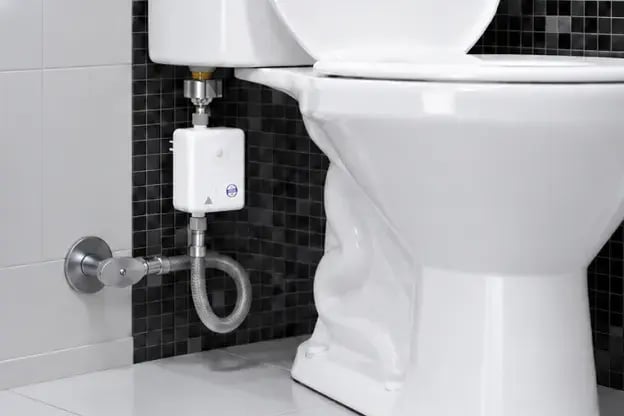
You can also consider buying The Toilet Scrooge™. This automatic device senses when someone is in the bathroom and allows water to reach the toilet. When the bathroom is empty, it shuts off the water supply, helping prevent continuous water waste from running toilets.
2. Turn Off the Faucet When You're Not Using It
Do you leave the faucet running while brushing your teeth? It's an easy habit to overlook, but it can waste several gallons of water each day.
Try these simple changes:
- Turn off the faucet while brushing your teeth.
- Use a cup of water to rinse your mouth.
- Shut off the water while shaving.
- Turn the faucet off while scrubbing your hands with soap.
These water saving tips don't cost anything, and everyone in the family can follow them.
3. Take Shorter Showers
Showers are another place where we use a lot of water. For example, a showerhead that uses 2.5 gallons per minute will use 25 gallons during a 10-minute shower.
Now imagine shortening that shower to 5 minutes. At the same flow rate, you would use only 12.5 gallons. That's 12.5 gallons saved in just one shower!
Here's how to start:
- Set a timer before getting into the shower.
- Try keeping your shower around 5 minutes.
- Turn off the water while applying shampoo or soap when practical.
- Encourage everyone at home to follow the same habit.
Shorter showers are one of the easiest ways to save water at home. They also help reduce the energy needed to heat water.
4. Install a Shower Flow Controller
Taking shorter showers helps, but what if you could also reduce how much water comes out of the showerhead each minute?
That's where a shower flow controller can help.
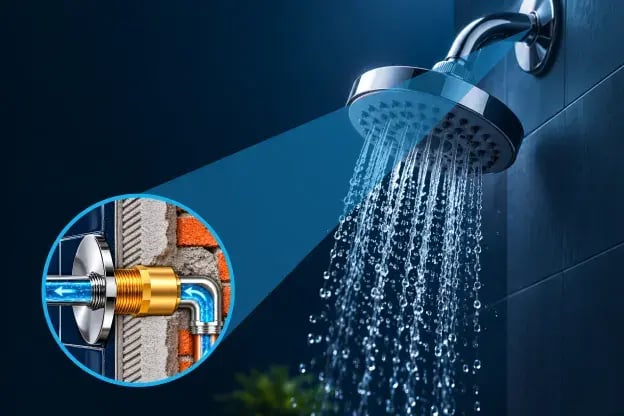
A shower flow controller is a small device that manages the amount of water passing through a shower. It can help limit unnecessary water use while still providing enough water for a comfortable shower.
For example, The Shower Scrooge™ is designed to fit behind the shower fixture. It helps control water flow without requiring homeowners or property owners to replace their existing showerheads, and it also adjusts to changes in water pressure to help maintain a more consistent flow.
|
Control Shower Water Waste Without Replacing Your Showerhead The Shower Scrooge™ helps manage shower water flow and reduce unnecessary water use while maintaining a comfortable shower experience.
|

5. Stop Wasting Water While Waiting for a Hot Shower
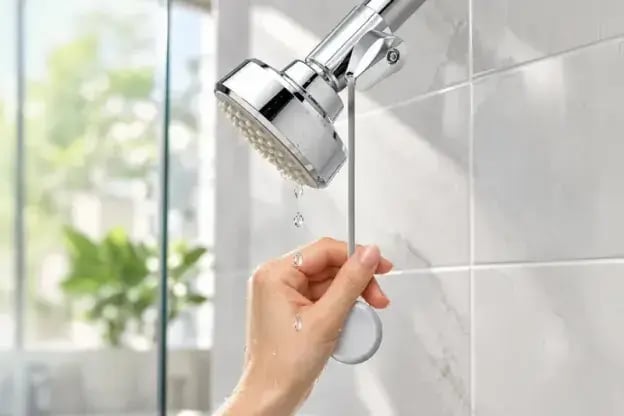
Think about what happens when you turn on the shower in the morning. The water often starts cold, so you leave it running until it becomes warm enough to use.
During that time, clean water goes straight down the drain. If everyone in your home does this every day, the wasted water can add up to higher water bills.
What can you do?
Stay near the shower while it warms up. You can also collect some of the cold water in a bucket and use it for cleaning or watering plants.
Another option is buying The ShowerStop®, a water-saving device that automatically reduces shower flow to a trickle when the water reaches approximately 95°F. When you're ready to shower, you can restore normal flow.
This helps limit the amount of warm water wasted before your shower begins, without making you rush to turn off the faucet.
6. Run Full Loads of Laundry and Dishes
Washing clothes and dishes is part of everyday life. But running appliances when they're only partly filled can lead to unnecessary water use.
Try these habits:
- Wait until you have a full load before running the dishwasher.
- Wash full loads of laundry when possible.
- Use the correct water-level setting on your washing machine.
- Choose water-saving or eco-friendly settings when available.
- Scrape leftover food off plates instead of rinsing them under running water.
Just remember not to overload your appliances. Clothes and dishes still need enough room to be cleaned properly.
7. Use Water-Efficient Faucets and Fixtures
Some older faucets and showerheads allow more water to flow than you actually need. Water efficient products can help reduce this extra water use.
For example, a faucet aerator is a small attachment that fits onto the end of a faucet. It mixes air with water to help control the flow while keeping the stream useful for washing hands or rinsing items.
Other water-efficient fixtures include:
- WaterSense-labeled showerheads.
- Water-saving bathroom faucets.
- High-efficiency toilets.
- Faucet aerators that help control water flow.
When shopping for new fixtures, look for the EPA's WaterSense label. It identifies products that meet water-efficiency and performance requirements.
You don't need to replace every fixture at once. Start with the ones you use most often or those that waste the most water.
8. Save Water While Washing Fruits, Vegetables, and Dishes
Many people leave the faucet running while cleaning vegetables, washing dishes, or wiping down the sink. But you don't always need running water to complete these tasks.
Try these water saving techniques:
- Wash fruits and vegetables in a bowl of water instead of under a running faucet.
- Turn off the faucet while scrubbing pots and pans.
- Use a basin when washing dishes by hand.
- Reuse clean leftover water from rinsing produce to water suitable plants.
For example, instead of leaving the faucet on while washing five apples, fill a bowl with water and wash them together.
9. Water Your Lawn and Plants More Carefully
Saving water isn't only about what happens inside your home. Lawns, gardens, and outdoor plants can also use a large amount of water, especially during hot summer months.
Here are a few ways to practice water conservation at home:
- Water plants early in the morning to reduce water loss from evaporation.
- Check the soil before watering to see if it's already moist.
- Avoid watering the sidewalk or driveway.
- Fix leaking garden hoses and sprinkler heads.
- Use mulch around plants to help the soil hold moisture.
- Choose plants that grow well in your local climate.
You can also use a watering can for small gardens instead of leaving a hose running.
10. Check Your Water Bill and Track Household Water Use
One of the best ways to understand how to reduce water consumption is to check how much water your household already uses.
Your water bill can tell you how many gallons or other units of water your home used during a billing period. If your water use suddenly increases, it could mean someone is using more water than usual or that a hidden leak has developed.
Here's what you can do:
- Review your water bill each month.
- Compare water use with previous months or the same month last year.
- Look for unusual increases in water consumption.
- Check toilets, faucets, and outdoor pipes if usage seems too high.
- Consider water-saving devices for fixtures that use more water than necessary.
Tracking water use helps you understand where improvements are needed and whether your changes are making a difference.
Which Water Saving Solutions Are Best for Your Home?
Not every home wastes water in the same way. Some households have running toilets, while others may use more water in showers, kitchens, or gardens. Choosing the right solution depends on where the water is being wasted.
Here's a quick guide:
|
Common Water Waste Problem |
Water Saving Solution |
|
Toilet keeps running after flushing |
Repair the leak and consider The Toilet Scrooge™ |
|
Shower uses too much water |
Install a shower flow controller, such as The Shower Scrooge™ |
|
Water runs while waiting for a hot shower |
Use ShowerStop® to reduce warm-up water waste |
|
Bathroom faucet uses too much water |
Install a WaterSense-labeled faucet aerator |
|
Water bill is unexpectedly high |
Check for leaks and review water consumption |
|
Lawn or garden uses too much water |
Improve watering habits and use mulch |
Start Saving Water at Home With The Water Scrooge™
Saving water doesn't have to be difficult. Simple changes, such as fixing leaks, turning off faucets, taking shorter showers, and using appliances wisely, can help reduce unnecessary water use.
You can also make a difference with the right water saving products.
The Water Scrooge™ offers practical solutions designed to control shower flow, limit running-toilet waste, and reduce water wasted while waiting for hot showers.
By combining better everyday habits with suitable water-saving devices, you can take greater control of your household's water use and utility expenses.
|
Make Every Water Drop Count at Home Explore The Water Scrooge™ water saving products to help control water use, reduce waste, and manage household water bills.
|
